
If Your Face Feels Angry After the Commute, Check These 4 Friction Points
A gentle commute and mask-friction skincare guide for skin that feels rubbed, tight, or easily irritated.
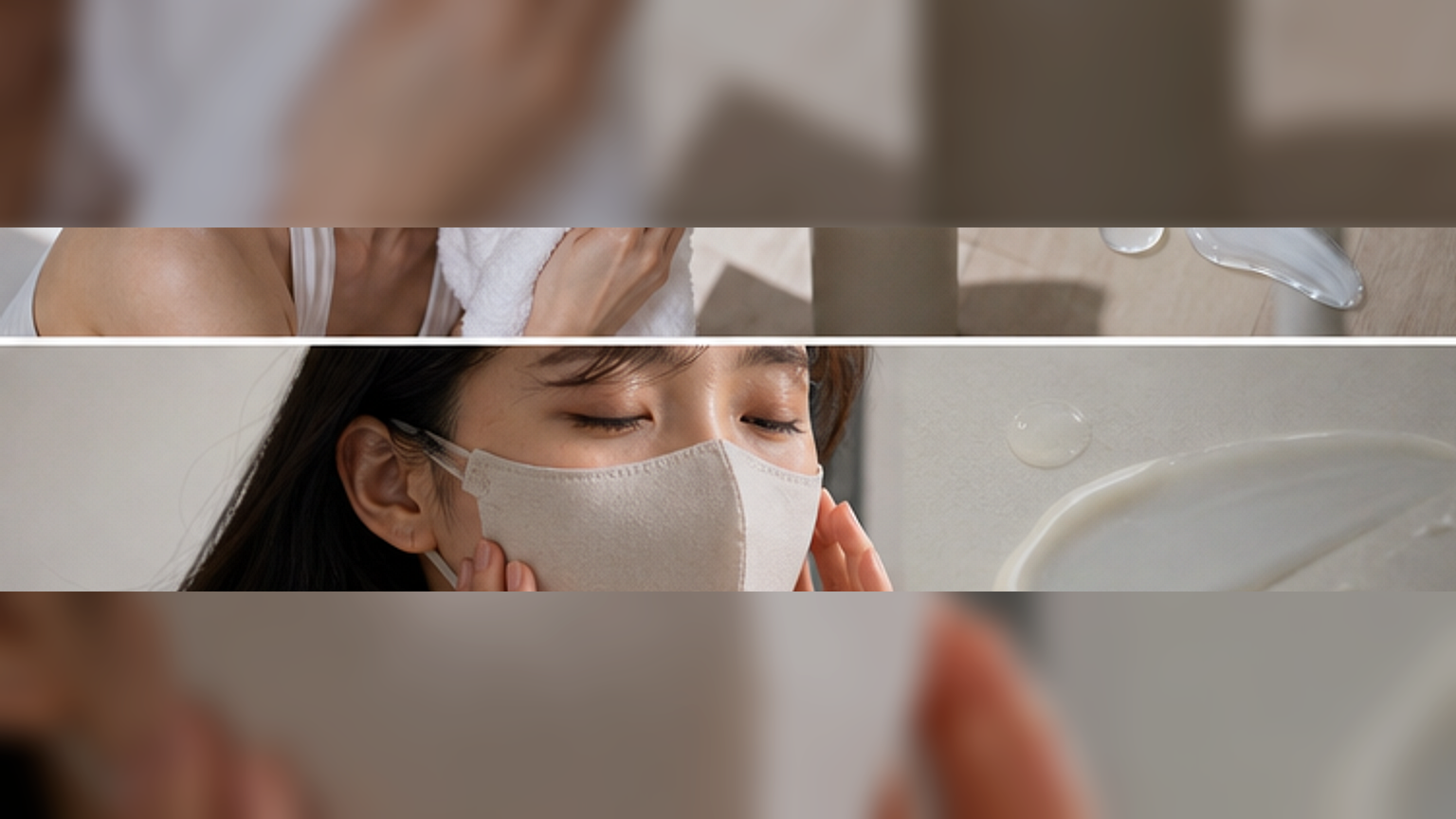
If Your Face Feels Angry After the Commute, Check These 4 Friction Points
Some skin does not need a dramatic trigger. A warm commute, a mask edge, and a rushed morning can be enough. When the face feels irritated, adding more products often feels logical, but friction usually rewards simplicity.
The goal is not to make the routine impressive. The goal is to make the next decision obvious enough that you can repeat it on a normal day.
Why this deserves its own routine
Look at the contact points first: nose bridge, cheeks, jawline, and the area where fabric moves when you talk.
Skin care advice gets messy when every situation is treated like the same morning routine. A rainy commute, a gym shower, a trip, a beauty shopping day, and an AI report all create different kinds of pressure. The safer move is to name the pressure first, then choose the smallest useful step.
The American Academy of Dermatology repeatedly brings routine advice back to basics: cleanse gently, moisturize while skin is still comfortable or slightly damp, use sun protection, and avoid changing too many products at once when skin is irritated. That is the backbone here too. This article is not trying to diagnose a skin condition or promise a transformation. It is a practical way to make the day less confusing.
The simple map
- Cleanse with a mild, fragrance-free cleanser when the day ends.
- Apply a fragrance-free, non-comedogenic moisturizer before long mask wear when needed.
- Avoid testing a new active on mornings with heavy friction.
- Keep the fabric clean and replace damp masks when practical.
- Pause and simplify if burning, rash, or swelling appears.
The order matters less than the reasoning. If the skin is already uncomfortable, do not make the routine louder just to feel like you did something. Start with the step that reduces friction, dryness, or decision fatigue. Then leave enough space to see whether the skin actually feels calmer.
Where Gloshell can fit
Gloshell can remain in the routine as a thin comfort layer only if the skin accepts it calmly; irritation is a signal to step back, not to layer harder.
The careful boundary is important. Gloshell products should be presented as routine options, not as medical treatments. If a product detail mentions a skin irritation test, that wording should stay tied to the test conditions. It does not mean every person will feel zero irritation, and it does not replace professional care when symptoms are painful, persistent, or worsening.
The reader-friendly checklist
- Can I explain this step in one sentence?
- Did I keep at least one part of the routine stable?
- Am I adding this because my skin needs it, or because the shelf looked persuasive?
- If the product stings, burns, or makes redness worse, do I have a plan to stop and simplify?
- If sunscreen is part of the day, does the label match the job: broad spectrum, SPF 30 or higher, and water resistance when sweat or water is likely?
What to do tonight
Choose one small observation before choosing another product. Write down how the skin feels after cleansing, how it feels after the first moisture step, and whether it changes by midday or bedtime. That tiny note is more useful than trying to rebuild the routine from a mood.
Commute skincare is not about winning against the city. It is about reducing tiny repeated annoyances before they become the whole story.