
What to Check Before You Trust an AI Skin Score
An AI skin report is most useful when it becomes a map, not a verdict. The score may catch a change you missed in the mirror, but the next routine decis...
What to Check Before You Trust an AI Skin Score
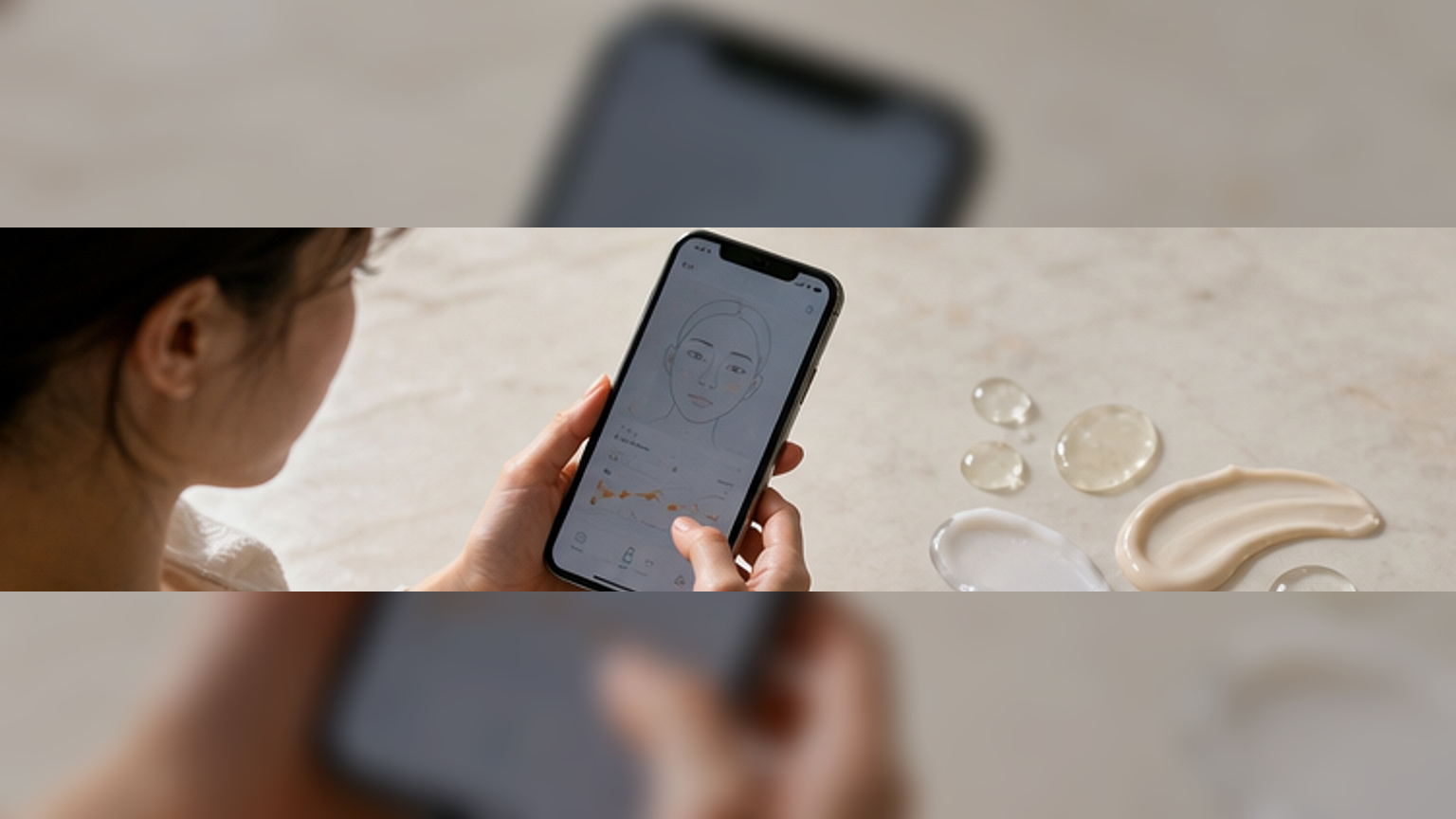
An AI skin report is most useful when it becomes a map, not a verdict. The score may catch a change you missed in the mirror, but the next routine decision still has to make sense in real life: how your skin feels after cleansing, what the weather is doing, whether you slept, and whether you recently changed products.
The first mistake is reading the biggest number as the biggest problem. A low hydration score after a late flight, a hot shower, or an overzealous cleanse is different from a trend that keeps appearing every week. Before you buy a new active or rewrite your whole shelf, give the report a little context.
Start With Three Anchors
Read the AI report in this order: comfort, pattern, then priority.
Comfort is the part only you can answer. Did your face sting when you applied moisturizer? Did cheeks feel tight ten minutes after washing? Did sunscreen pill because you layered too much underneath? A report may say "dryness" or "texture," but the feeling tells you whether today calls for more cushion, fewer layers, or simply a gentler cleanse.
Pattern means asking whether the same signal appears more than once. One scan after poor sleep is a snapshot. Three scans over two weeks, taken in similar lighting and at a similar time of day, begin to show a trend. If the report keeps flagging dullness on Monday mornings, the cause might be weekend sleep, alcohol, travel, or skipping sunscreen rather than a missing product category.
Priority is the routine move you can actually repeat. If the report highlights several areas, choose one low-risk adjustment for the next seven days. For example, add a light hydrating layer after cleansing, reduce exfoliation frequency, or reapply sunscreen more consistently. The best routine map is boring enough to follow.
A Practical Reading Example
Imagine your AI skin report says hydration is lower, pores look more visible, and redness has increased. It is tempting to treat all three. Instead, build a short decision tree.
If your skin feels tight right after washing, start with cleansing and first moisture. Use lukewarm water, avoid scrubbing with a towel, and apply a light serum or moisturizer while the skin still feels slightly damp. If pores look more obvious only by late afternoon, the issue may be sweat, makeup, or sunscreen breakdown, so check your midday routine before adding a strong treatment. If redness appears with warmth, stinging, or a burning sensation, pause new actives and keep the routine simple; persistent or uncomfortable changes deserve professional advice rather than product guessing.
This is how an AI skin analysis becomes useful. It does not diagnose your skin or promise a result. It helps you notice where your routine may need a small edit.
Turn The Report Into A Routine Map
Use a four-box note after each scan:
- Today: what the report noticed.
- Context: sleep, weather, exercise, makeup, sunscreen, cycle, travel, or stress.
- Feeling: tight, oily, calm, itchy, warm, comfortable, rough, or balanced.
- One move: the single routine choice you will test until the next scan.
Here is what that looks like in real language: "Hydration lower than last week. Slept five hours, used a foaming cleanser twice, office air was dry. Skin felt tight after cleansing. For seven days, cleanse once at night and use a light hydrating layer before cream."
That note is more valuable than the score by itself. It protects you from changing five things at once, which makes it impossible to know what helped.
When To Ignore The Score For A Day
There are moments when the report should sit quietly in the background. Ignore a one-day score after a sun-heavy day, a long-haul flight, a new peel, a facial, heavy crying, illness, or a workout where you scanned before properly cleansing. The skin surface is temporarily affected, and the scan may be telling the truth about that moment without telling the truth about your usual routine.
You can still save the report, but label it as a special-condition scan. The label matters. Without it, you may look back later and think your routine failed when your skin was simply responding to an unusual day.
Where Gloshell Can Fit
Gloshell AI can be treated as the observation step: a way to compare snapshots and notice trends. Gloshell serum, if it already suits your skin, can sit in the "first comfort layer" slot on days when the report and your face both point toward dehydration or post-cleanse tightness. Keep the language realistic: a serum can support a routine, but it cannot guarantee a score change for every person.
If the AI report makes you feel rushed, slow the process down. Pick one metric, one routine move, and one review date. The goal is not to obey the number. The goal is to understand what your skin is asking for often enough that your routine becomes calmer, cheaper, and easier to repeat.