

Why do Korean sunscreens feel so different? A quick explainer
If you have tried a Korean sunscreen after years of thick, white-cast formulas, the difference is obvious: lighter, dewier, often no cast at all. A few reasons:
- Newer UV filters. Korea can use filters such as bis-ethylhexyloxyphenol methoxyphenyl triazine (Tinosorb S) that are not yet approved in the US, which makes elegant, high-protection formulas easier.
- Texture culture. Sunscreen is meant to be worn daily under makeup, so "serum-like" and "no pilling" are selling points.
- PA rating. Labels show PA+ to PA++++ for UVA protection, next to SPF for UVB.
Filters you will see on the label
Cult favourites in the catalogue
 조선미녀맑은쌀 선크림 50ml
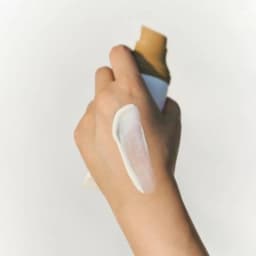 스킨1004마다가스카르 센텔라 에어핏 선크림 라이트 50ml
 Round Lab자작나무 수분 선크림
What does PA++++ tell you?
Poll
Your sunscreen type?
Sign in to vote
0
The texture difference is real, but it’s not just a “Korean filters are better” story. Many Korean daily sunscreens use organic (often called chemical) UV filters that spread transparently, plus lightweight emollients and film-formers designed to sit comfortably under makeup. Mineral formulas with zinc oxide or titanium dioxide are more likely to leave a cast, though the finish depends on the whole formula and your skin tone.
Tinosorb S (INCI: BIS-ETHYLHEXYLOXYPHENOL METHOXYPHENYL TRIAZINE) is one example of a modern filter used in Korea; it isn’t currently permitted in US sunscreens. That’s a regulatory difference, not proof that every Korean formula offers better protection. Check the label and buy from a reputable seller, since counterfeit or poorly stored products are a concern anywhere.
SPF mainly reflects UVB protection; PA++++ signals high UVA protection, but neither label guarantees a sunscreen will feel good or stay put all day. Apply a generous, even layer and reapply during extended outdoor time—especially after swimming or sweating. What usually decides it for me is whether I’ll actually wear enough of it.
Do Korean sunscreens work for very dark skin without leaving a gray cast?
Yes, many Korean sunscreens with organic (chemical) filters tend to go on transparently and are a good option if you’re concerned about a gray cast. That said, the finish depends on the formula and skin tone: some can leave a whitish film or feel somewhat sticky, so it’s not an automatic guarantee.
To minimize the risk, look for organic filters on the label and avoid mineral formulas with zinc oxide or titanium dioxide if they’ve already left a cast on you. If you’re shopping in Korea, they’re usually listed as 유기자차 (organic filters) and 무기자차 (mineral filters). Hybrids, 혼합자차, combine both and can vary quite a bit.
If you can, first try a generous amount on an area along your jaw and check it in natural light; a layer that’s too thin can change how it looks, but it won’t provide the stated protection. And a gray cast can also come from powders or pigments, not just the UV filter.