

PDRN everywhere: what is "salmon DNA" skincare actually doing?
Walk into any Olive Young right now and you will see PDRN on serums, pads, sun creams and masks. The term comes from clinics, where PDRN injections are used — but a cream is not an injection.
On a label you usually see it as sodium DNA. In topical products it is best thought of as a humectant-style, skin-conditioning ingredient that sits in a hydrating formula. Evidence for dramatic topical effects is still thin, so judge the product by the whole formula and how your skin feels.
What to look for on the INCI list
PDRN products in the catalogue
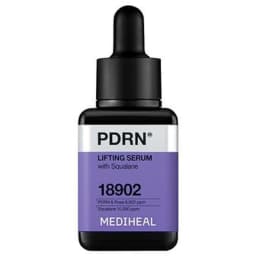 MedihealPDRN 모공 탄력 세럼 40
 아누아피디알엔 히알루론산 수분 립 세럼
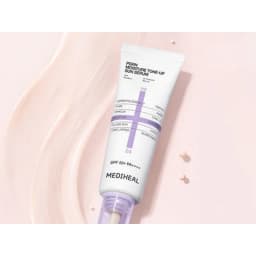 MedihealPDRN 수분 선세럼 매끈 톤업 50g
Poll
PDRN: hype or here to stay?
Sign in to vote
0
The key distinction is route of use: clinic injections place PDRN into skin; a serum or cream has to contend with the skin barrier, so you can’t assume the same effects. On cosmetic labels, SODIUM DNA is the name you’re likely to spot. In a leave-on formula, I’d treat it as a skin-conditioning ingredient—not a shortcut to the results associated with procedures. Topical evidence for big, PDRN-specific effects is still limited.
I’d judge the product by the full INCI and the basics: does it feel comfortable, layer well, and keep your skin hydrated? Glycerin, panthenol or other familiar humectants can be doing a lot of the day-to-day work. And “salmon DNA” on the front label doesn’t tell you the source or the finished product’s performance by itself.
My take: interesting ingredient, wildly louder marketing than the topical evidence so far. The poll options already cover the main camps—where do you land?
Is it okay to use a PDRN cream and retinol together?
Generally, it’s okay to use them together. However, PDRN cream doesn’t specifically neutralize irritation from retinol, so the key is how well your skin has adjusted to retinol.
If you’re new to retinol or have sensitive skin, start with a small amount of retinol in the evening, 1–2 times a week, and apply a moisturizer on top. You can include PDRN cream in your moisturizing step. If you experience stinging or dryness, reduce how often you use it or take a break, and it’s best to avoid layering exfoliating acids (AHA/BHA) on the same day at first. Be sure to use sunscreen during the day.
If you develop swelling, severe burning, or a persistent rash, stop using it and consult a dermatologist. If you’re pregnant or planning to become pregnant, it’s safest to check with a healthcare professional before using retinoids.