토코페롤
TOCOPHEROL
定义
Tocopherol consists of alpha-tocopherol, beta-tocopherol, delta-tocopherol and/or gamma-tocopherol and conforms to the formulae:
이 원료는 다음의 구조를 갖는 알파-토코페롤과 델타-토코페롤의 라세믹 혼합물이다.
식약처 원료 정의: 이 원료는 다음의 구조를 갖는 알파-토코페롤과 델타-토코페롤의 라세믹 혼합물이다.
官方标示名称和定义
JCIA 표시명 トコフェロール: 本品は、ビタミンEであり、次の化学式で表される。
别名和识别信息
- cas
- 54-28-4 (gamma)/ 16698-35-4(beta) / 10191-41-0(DL) / 119-13-1 / 1406-18-4 / 1406-66-2 / 2074-53-5 (DL) / 59-02-9 (D)/7616-22-0
- ec
- 200-201-5 / 240-747-1 / 233-466-0 / 204-299-0 /215-798-8 / - / 218-197-9 / 200-412-2 / -
化妆品中的作用
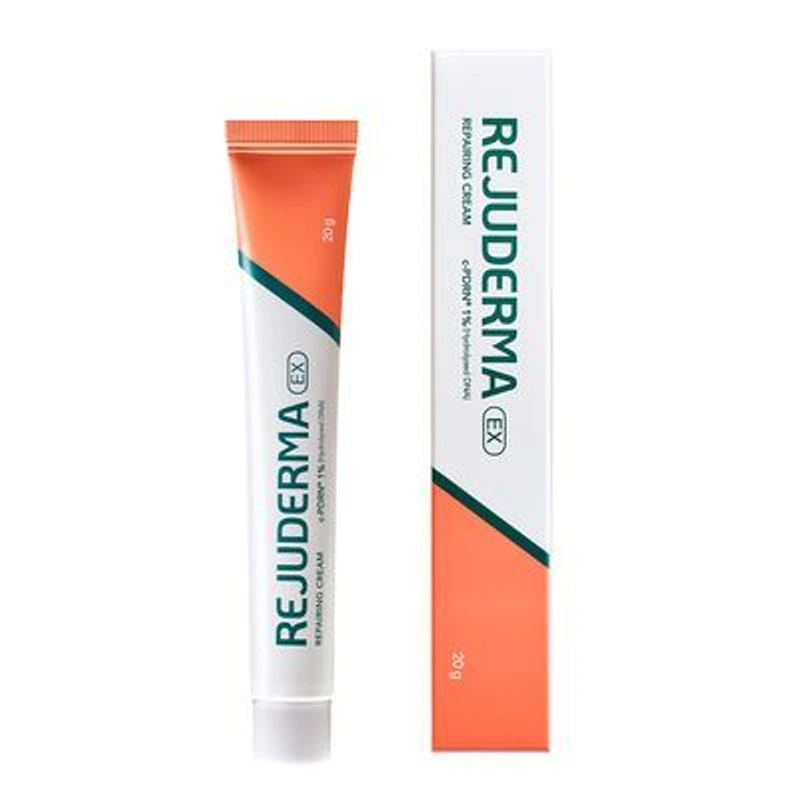
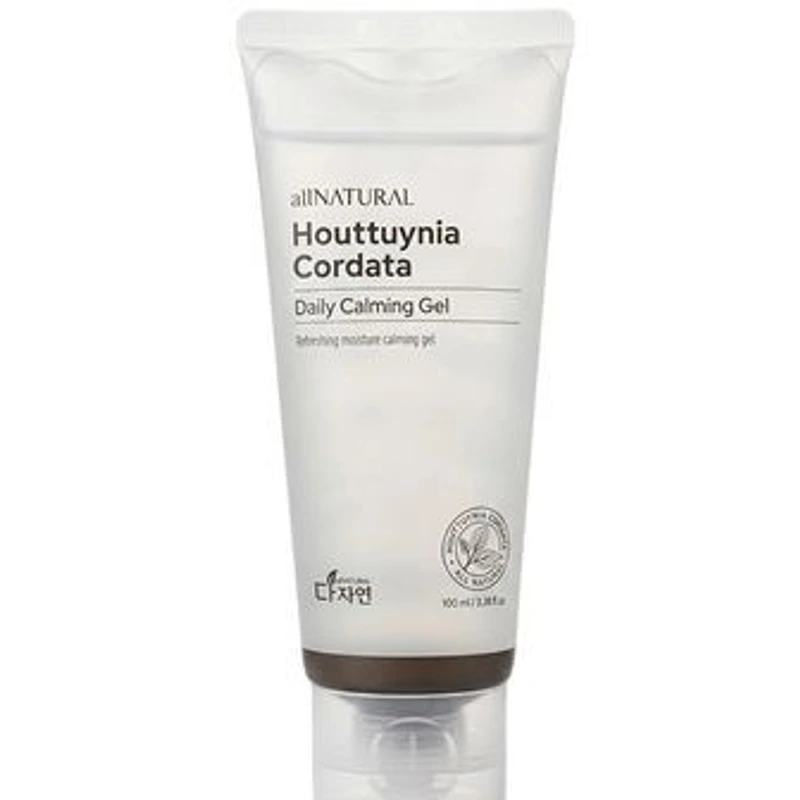
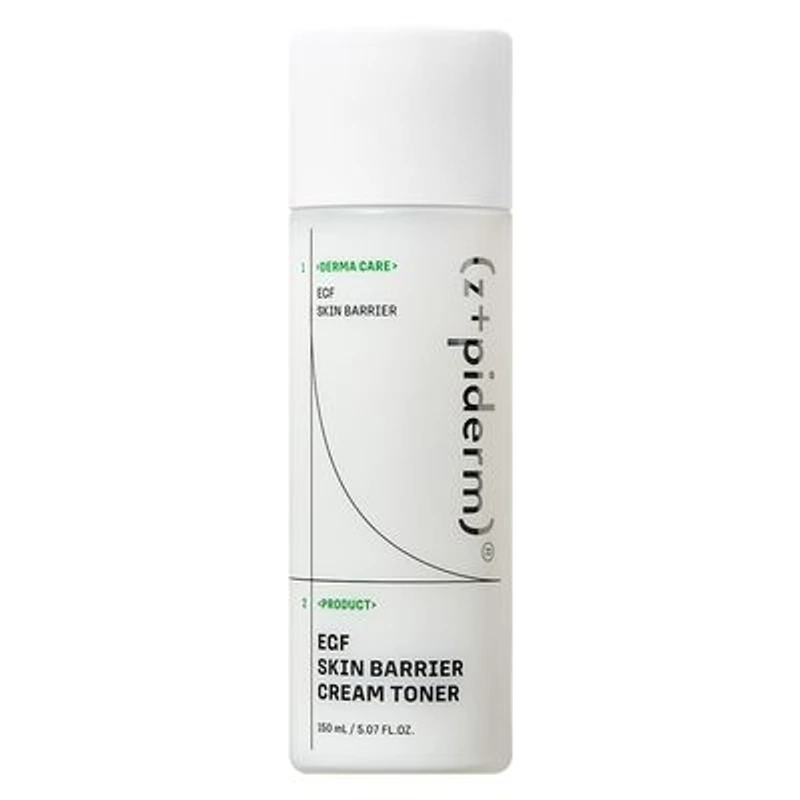
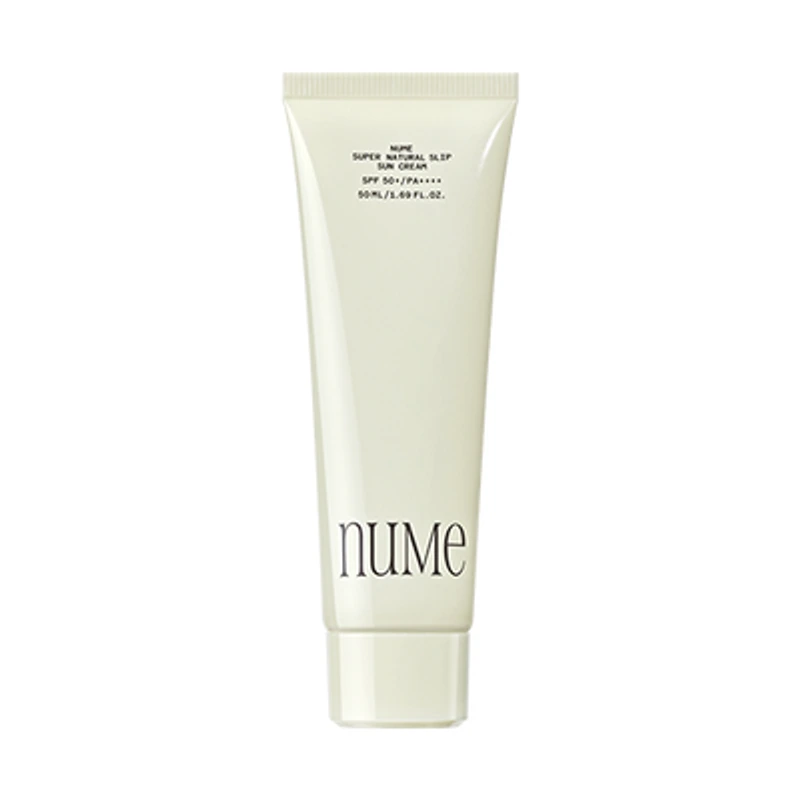
含有此成分的产品
확인된 8개 중 8개 · 무작위 순서

安全与法规参考
Other restriction: ban substances that deplete the ozone layer
MFDS(식약처) 국가별 사용 제한/금지 기록
식약처 규제 요약: 금지 국가 없음 / 제한 국가 한국
식약처 국가별 규제 정보: 한국 · 한도 · * 배합한도 : 20%
Reviewed by CIR: Final Report on the Safety Assessment of Tocopherol, Tocopheryl Acetate, Tocopheryl Linoleate, Tocopheryl Linoleate/Oleate, Tocopheryl Nicotinate, Tocopheryl Succinate, Dioleyl Tocopheryl Methylsilanol, Potassium Ascorbyl Tocopheryl Phosphate, and Tocophersolan
Reviewed by CIR: Safety Assessment of Tocopherols and Tocotrienols as Used in Cosmetics
已关联的官方原始数据
- Japan Cosmetic Industry Association labelling names · jcia_label_name · Tocopherol
- Japan Cosmetic Industry Association labelling names · jcia_label_name · Tocopherol
- MFDS cosmetics ingredient component information · ingredient_master · 토코페롤
- MFDS cosmetics regulatory ingredient information · regulation_summary · 토코페롤
- MFDS cosmetics regulatory ingredient information · restricted_ingredient · 토코페롤
可能需要注意
일반적으로 안전하나, 드물게 알레르기 반응이 발생할 수 있습니다. Vitamin E is generally safe and well-tolerated for topical use. Some forms, notably tocopherol esters, may require conversion to active forms for efficacy. Irritation is rare, but stability issues may affect product formulation. It is recommended to use alongside sunscreen due to increased photosensitivity after UV exposure
使用参考
강력한 항산화제로, 피부에 수분을 공급하고 보호하는 역할을 합니다. 노화 방지 성분으로 자주 사용되며, 자외선에 의한 손상 완화에도 도움을 줍니다. Vitamin E (tocopherol) is a fat-soluble antioxidant that protects skin cells by neutralizing free radicals generated by UV radiation and environmental stressors, preventing oxidative damage to lipids, proteins, and DNA. It strengthens the skin's immune system, improves resilience, and supports collagen and keratin production. Vitamin E also moisturizes by hydrating the stratum corneum, preventing moisture loss. It exhibits anti-inflammatory effects by inhibiting inflammatory mediators, reducing UV-induced skin swelling, erythema, and skin thickness. Tocotrienols, a form of vitamin E, have been shown to protect against pigmentation, wrinkles, and inflammation. Vitamin E also enhances photoprotection and supports skin repair.
相关文献
- Plant-Derived Antioxidants: Significance in Skin Health and the Ageing Process · 2022
- Natural products in cosmetics · 2022
- Nanotechnology in Cosmetics and Cosmeceuticals—A Review of Latest Advancements · 2022
- New Insights in Topical Drug Delivery for Skin Disorders: From a Nanotechnological Perspective · 2023
- Nanoparticles for Topical Application in the Treatment of Skin Dysfunctions—An Overview of Dermo-Cosmetic and Dermatological Products · 2022